Local business built by friends, doing striping the right way. | Call or Text: 703-930-2200
Understanding Curb and Line Striping
Curb and line striping is vital for road management, ensuring durable markings. This article explores how environmental factors, especially humidity and moisture, impact the effectiveness of striping. Learn why proper conditions are essential for lasting results.
2026 BLOG
7/11/20262 min read
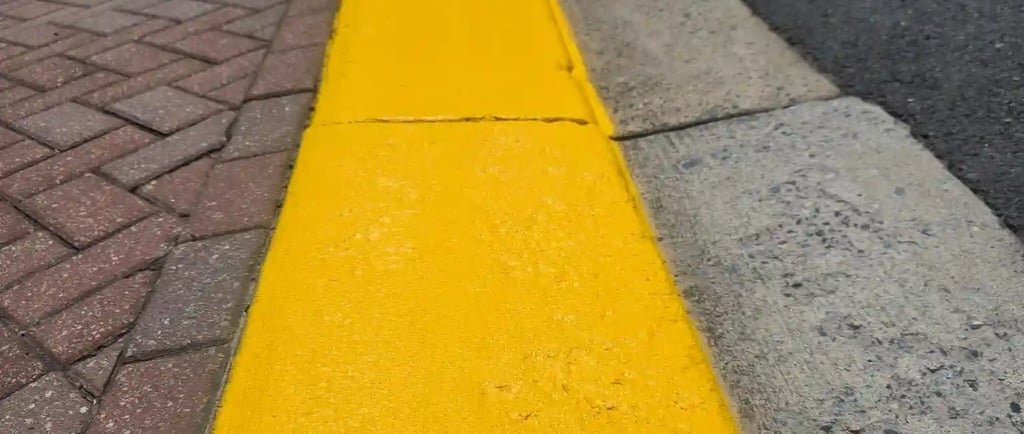
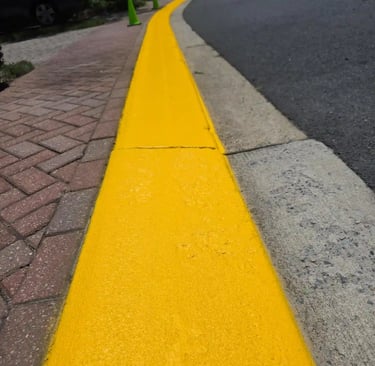
Understanding Curb and Line Striping
Curb and line striping is a crucial aspect of road management that goes beyond merely painting lines on pavement. This process involves a chemical bonding method that ensures durability and reliability of the markings. However, the success of curb and line striping heavily depends on various environmental factors, particularly weather conditions. In this article, we will delve into why weather delays curb striping and the implications of carrying out this work under unsuitable conditions.
The Role of Moisture
The most significant factor that affects the efficacy of curb striping is moisture. For the paint used in striping to bond properly, it requires a dry and clean surface. Even the slightest presence of moisture, including invisible films, can hinder adhesion, leading to poor results. Instead of forming a hard, durable layer, the paint may bubble or peel, resulting in a need for frequent repaints, often within weeks instead of lasting for an entire season.
Humidity and Other Environmental Factors
Besides rain, high humidity can also prolong drying times and adversely affect paint adhesion. Striping crews typically wait for lower humidity levels and ample sun exposure to ensure optimal conditions for applying the paint. Furthermore, locations with significant shading, such as those under mature tree canopies, can experience extended drying times, as the pavement may remain damp long after rain has ceased. As such, these shaded areas necessitate careful planning to select the ideal moments for curb striping, thus reducing the chance of future complications.
Debris from Surrounding Vegetation
Trees, while providing shade, also introduce additional challenges. They often shed debris—such as pollen, seed pods, and leaves—that can come into contact with wet paint before it has time to set. This interaction can create rough and uneven surfaces instead of the clean, sharp lines desired. Therefore, curb and line striping must consider not just the timing of applications in relation to rain or humidity, but also the surrounding environment and potential for debris contamination.
In summary, undertaking curb striping work during inappropriate weather conditions can compromise the quality and longevity of the work completed. Thus, it's essential to wait for ideal environmental conditions to protect the investment put into curb and line striping projects. By ensuring that the paint is applied at the right time, it can effectively adhere, leading to durable markings that stand the test of time, rather than facing premature deterioration.
We are happy to answer any of your striping questions. As a leading painting contractor serving DC, Maryland, and Northern Virginia, we are dedicated to delivering high-quality results. Contact us today for a free estimate and see how we can enhance your parking areas.

Serving: District of Columbia, Montgomery County, Prince George's County, Arlington County, Fairfax County, Loudoun County, Prince William County, the City of Alexandria, the City of Fairfax, the City of Falls Church, the City of Manassas, City of Manassas Park, Richmond and Charlottesville.
Potomac Falls Striping Services Copr. 2026