Local business built by friends, doing striping the right way. | Call or Text: 703-930-2200
Impact of Winter Weather on Pavement Markings
Winter weather impacts pavement markings across the East Coast through snow plowing, freeze-thaw cycles, and moisture exposure, increasing wear, fading, and maintenance needs.
2025 BLOG
12/18/20255 min read
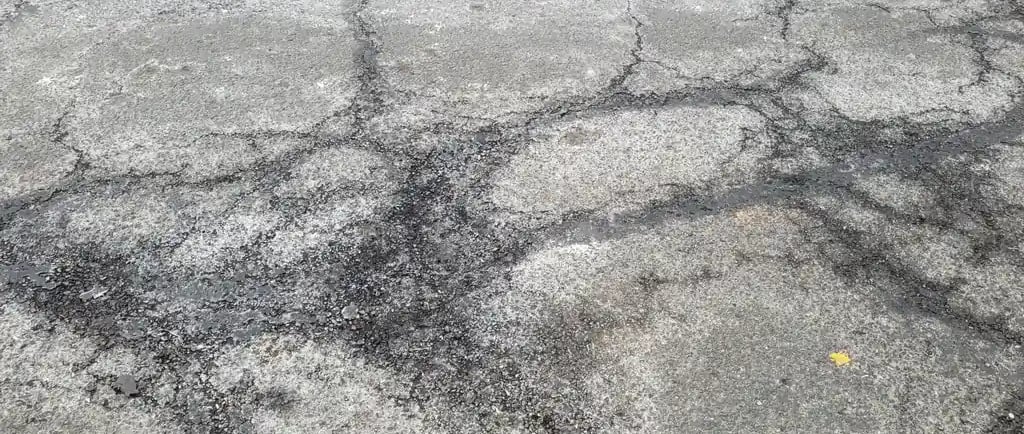
Winter weather presents numerous challenges that significantly impact pavement and line markings on the East Coast. Among these challenges are heavy snowfall, freeze-thaw cycles, and the operational procedures of snow plows. Each of these elements contributes uniquely to the overall deterioration of asphalt conditions.
Heavy snowfall can obscure pavement markings, making them difficult for drivers to see. This not only increases the risk of accidents but also necessitates frequent maintenance to reapply these markings. Moreover, the accumulation of snow can lead to increased weight on surface areas, exacerbating pre-existing cracks and weaknesses in the pavement structure. As temperatures fluctuate, the freeze-thaw cycles introduce further complications. Water that seeps into the pavement cracks can freeze and expand, creating more significant damage as it thaws. This ongoing cycle can drastically reduce the lifespan of both the asphalt and the line markings, leading to costly repairs and potential safety hazards.
The role of snow plows is critical in managing snow accumulation. However, the aggressive scraping of snow plows can also strip away line markings and compromise the integrity of the pavement. In many cases, municipalities prioritize snow removal but overlook the necessity of preserving line visibility, which results in an increased need for marking enhancements to ensure safety during the harsh winter months.
Historical data emphasizes the toll winter weather takes on pavement durability. For instance, case studies reveal that cities that experience heavy winter weather annually spend upward of 20% of their pavement maintenance budgets on line repainting. Such statistics illustrate not only the physical challenges of winter weather but also the economic implications of maintaining safe driving conditions.
Understanding the Freeze-Thaw Cycle and Its Effects
The freeze-thaw cycle is a natural phenomenon that occurs in many regions, particularly during the winter months. This cycle is characterized by the repeated freezing and thawing of moisture present in the pavement surface. The mechanics of this process can significantly damage roadways, such as asphalt and concrete, as well as the line markings that are vital for road safety. When water seeps into cracks and pores of the pavement, it can freeze when temperatures drop. As water freezes, it expands, exerting pressure on the surrounding material. This physical force can widen existing cracks, create new fissures, and deteriorate the overall integrity of the surface.
Upon thawing, the pressure is released, but the damage remains as the cracks allow more water infiltration. This subsequent cycle, occurring repeatedly, contributes to a serious decline in pavement conditions. The gradual accumulation of damage leads to potholes, uneven surfaces, and ultimately, greater repair costs. Moreover, the distinct line markings on roadways are also affected by this freeze-thaw cycle. As the pavement deteriorates, the quality and visibility of these markings can significantly decline, posing safety risks for drivers and pedestrians alike.
Regions on the East Coast that experience cold winters and frequent freeze-thaw cycles must prioritize regular maintenance and evaluation of their pavement conditions. Simple measures, such as sealing cracks and regularly inspecting line markings, can mitigate the risks associated with this phenomenon. By understanding the mechanics and effects of the freeze-thaw cycle, stakeholders can better prepare for the challenges posed by winter months, ensuring safer road conditions for all users.
Timing and Material Considerations for Effective Line Markings
When executing line marking projects during the winter months, specific timing and material considerations become critical to ensuring effective results. One of the prominent environmental factors influencing the application of line markings is the pavement temperature, which can significantly affect the adhesion and drying time of marking materials. Cold pavement can hinder the proper curing of paint, potentially leading to premature wear and reduced visibility, thus compromising safety.
Additionally, moisture levels in the environment play a vital role. Rain, snow, and ice can have immediate effects on the surface conditions, making it imperative to monitor the weather closely before undertaking any line marking activities. Ideally, line marking should only be conducted when temperatures are above the minimum threshold specified by the material manufacturers, which is often around 50°F (10°C) and rising. This allows for optimal performance of the materials used.
For winter conditions, contractors and municipalities are encouraged to select specialized marking materials that are formulated to withstand harsh temperatures, such as thermoplastic markings or certain types of cold-applied paints. These materials possess characteristics that improve durability and visibility during snowy and icy conditions. In conjunction with these material choices, it is advisable to time line marking applications for dryer days when the forecast shows minimal chance of precipitation to guarantee better adhesion and long-term endurance.
Ultimately, a strategic approach to both the timing and selection of materials can enhance the efficiency and longevity of line markings made during winter months. By closely monitoring environmental factors and adhering to manufacturers’ recommendations, stakeholders can ensure their line markings remain effective and safe, even in the face of challenging winter conditions.
Maintaining Safety and Visibility Post-Winter: Strategies and Best Practices
As winter draws to a close, the significant effects on line markings must not be overlooked. The harsh conditions, including snow accumulation, ice, and freezing temperatures, can lead to the deterioration of road markings, posing challenges for traffic safety and organization. Therefore, addressing these issues effectively is crucial for maintaining safe transportation routes.
One of the strategies to ensure the restoration of line markings after winter is conducting thorough evaluations of the existing markings. Regular assessments will help identify areas where markings have faded or been compromised due to winter weather. These evaluations should be scheduled immediately following the end of winter, allowing for timely repairs that enhance visibility. Utilizing reflective paint can also be effective, as it improves the visibility of markings during early morning and late evening hours when lighting may be less optimal.
In addition to evaluations, proactive measures such as integrated maintenance programs should be developed. These programs can leverage advanced technologies, including thermoplastic materials and high-visibility paints, which are more resilient against winter conditions. Regularly updated data on road conditions can aid in planning maintenance effectively, ensuring that line markings meet safety standards.
Community involvement plays a vital role in maintaining road safety. Residents and local businesses can contribute by reporting fading markings and other road safety concerns. Implementing awareness campaigns can encourage the community to be vigilant and proactive in maintaining the integrity of road markings and overall roadway safety.
In conclusion, clear and well-defined line markings are essential for safe navigation in urban and rural areas alike. By incorporating evaluations, advanced materials, and community engagement, municipalities can significantly enhance the visibility and safety of road markings after the winter season, ultimately providing safer transportation routes for all users.
We are happy to answer any of your striping questions. As a leading painting contractor serving DC, Maryland, and Northern Virginia, we are dedicated to delivering high-quality results. Contact us today for a free estimate and see how we can enhance your parking areas.

Serving: District of Columbia, Montgomery County, Prince George's County, Arlington County, Fairfax County, Loudoun County, Prince William County, the City of Alexandria, the City of Fairfax, the City of Falls Church, the City of Manassas, City of Manassas Park, Richmond and Charlottesville.
Potomac Falls Striping Services Copr. 2026
Potomac Falls Striping Services Copr. 2026