Local business built by friends, doing striping the right way. | Call or Text: 703-930-2200
Understanding Fire Lane Markings for Safety
Learn the importance of fire lane markings in distribution centers, including the benefits of fresh markings and planning for restriping projects. Ensure safety and compliance with fire codes to maintain a safe working environment.
5/3/20265 min read
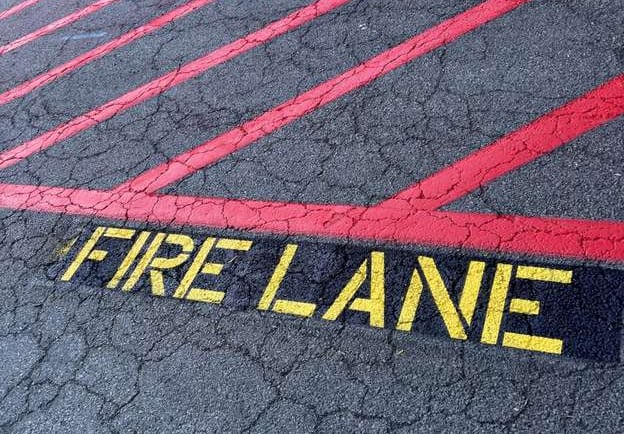
Understanding Fire Lane Codes and Regulations
Fire lane codes and regulations are crucial elements that facility managers must consider when planning fire lane restriping projects at distribution centers. These codes are designed to ensure accessibility for emergency services while maintaining compliance with local laws. They can significantly vary depending on the municipality, so it is essential for facility managers to familiarize themselves with the specific codes applicable to their location.
Typically, fire lane regulations specify the width, markings, and signage required on a fire lane. Many jurisdictions enforce a minimum width for fire lanes to allow emergency vehicles room to maneuver and access properties effectively. Furthermore, facility managers should be aware of the color and type of paint to be used when restriping these lanes, as local regulations may dictate specific hues and styles for better visibility.
Non-compliance with fire lane codes can lead to serious consequences, including fines, penalties, and increased liability in the event of an emergency. In some instances, failure to adhere to regulations can impede emergency response, posing a risk to safety and the potential for property damage. Therefore, consulting local fire marshals is imperative. They can provide invaluable guidance on navigating the complexities of fire lane regulations and ensuring that all necessary permits and inspections are completed before any restriping occurs.
In addition to local fire codes, facility managers should also take note of national standards, such as those set by the National Fire Protection Association (NFPA). These standards provide a framework that complements local regulations and emphasizes the importance of maintaining clear and accessible fire lanes. Understanding and adhering to both local and national requirements will ultimately support the safety and efficiency of operations at distribution centers.
Choosing Between Paint and Thermoplastic for Restriping
When it comes to fire lane restriping at distribution centers, facility managers often face the critical decision of whether to use paint or thermoplastic materials. Each option carries distinct advantages and disadvantages that may influence the selection process.
Starting with paint, it is generally recognized for its cost-effectiveness and ease of application. Paint allows for quick installation, which minimizes downtime in busy distribution centers. However, one major drawback is its relatively shorter lifespan, as paint can fade and wear away under heavy traffic conditions. This deterioration could lead to visibility issues over time, potentially impacting safety and compliance. Reports indicate that standard paint typically requires reapplication every one to two years, particularly in high-traffic areas.
On the other hand, thermoplastic is gaining traction for its durability and longevity. This material is made from heated plastic that adheres strongly to the pavement, making it resistant to wear and environmental elements. It is known to last substantially longer than paint, often up to five to seven years, which may result in lower maintenance costs in the long term. However, the installation of thermoplastic is more complex, requiring specialized equipment and skilled personnel, which can lead to higher initial costs and extended installation times.
From a visibility standpoint, both options can achieve a high level of brightness; however, thermoplastic's inherent properties help it maintain visibility longer compared to paint. Industry experts often advocate for thermoplastic in environments with high traffic and a demand for compliance with safety regulations. The overall safety of distribution centers is particularly enhanced by clearly marked fire lanes, thus making the choice of material essential.
Estimating the Costs of Fire Lane Restriping
When considering fire lane restriping at distribution centers, it is imperative for facility managers to understand the various costs that can arise during the process. The total expenses can generally be categorized into three primary components: materials, labor, and potential additional fees.
First, the materials involved in restriping include the paint itself, which varies in quality and type, depending on the longevity required and compliance standards of the local jurisdiction. High-quality, durable options may come at a premium, but they often prove to be more cost-effective over time due to their longevity. Additionally, reflective paint may be necessary in some areas for enhanced visibility, increasing initial costs.
Secondly, labor costs play a significant role in the overall expenses. These costs can vary based on the complexity of the project and the prevailing wage rates within the area. Hiring a seasoned subcontractor who specializes in fire lane restriping can ensure that the job is completed efficiently, although it may come at a higher upfront cost.
Another aspect to consider is the potential requirement for permits or inspections, which can introduce additional fees. Certain jurisdictions mandate that restriping projects comply with safety regulations, necessitating formal oversight that may incur costs through fees for permits or inspections directly tied to the restriping process.
To effectively budget for fire lane restriping projects, facility managers should gather multiple estimates from reputable vendors and consider developing a cost-benefit analysis that weighs initial expenses against long-term savings from compliance and reduced liabilities. Moreover, implementing cost-effective strategies, such as phased restriping, can distribute these costs over time while still maintaining safety standards. A case study from Distribution Center XYZ illustrated how a phased approach resulted in a 20% reduction in overall costs while meeting all compliance requirements.
Planning a Restriping Project Without Disrupting Operations
Effective planning is essential for executing a fire lane restriping project at distribution centers while maintaining uninterrupted operations. A well-organized approach not only facilitates compliance with safety regulations but also minimizes the impact on daily activities. Initially, facility managers should assess the scope of the project, determining the specific areas that require restriping and the types of markings necessary for compliance and visibility.
Scheduling plays a pivotal role in the success of this endeavor. It is advisable to choose times that experience lower traffic volumes. Early mornings or weekends may serve as optimal periods for work completion, reducing interaction with ongoing operations. Coordinating with staff and contractors is crucial during this planning phase. Engaging with your in-house teams ensures they are aware of the project timeline and procedures, while contractors should be briefed on site protocols to ensure safety and efficiency.
Communication is an integral part of the restriping process. Keeping all stakeholders informed about the project schedule and expected impacts can foster understanding and cooperation. Signs indicating restriping activities should be displayed in advance, alerting employees and visitors of the upcoming changes. Additionally, it may be beneficial to designate specific routes for traffic flow during restriping to avoid confusion and enhance safety.
Safety should always be a top priority in any project involving traffic areas. Utilizing cones, barriers, and proper signage will ensure that both personnel and equipment are protected throughout the restriping process. Lastly, after the project is completed, conducting a review with the team to address any concerns or suggestions for future projects can help improve processes and enhance future operational efficiency.
We are happy to answer any of your striping questions. As a leading painting contractor serving DC, Maryland, and Northern Virginia, we are dedicated to delivering high-quality results. Contact us today for a free estimate and see how we can enhance your parking areas.

Serving: District of Columbia, Montgomery County, Prince George's County, Arlington County, Fairfax County, Loudoun County, Prince William County, the City of Alexandria, the City of Fairfax, the City of Falls Church, the City of Manassas, City of Manassas Park, Richmond and Charlottesville.
Potomac Falls Striping Services Copr. 2026